| Layer | What to look for | Why it matters on the ice |
|---|---|---|
| Base layer | Synthetic or wool next to the skin | Keeps perspiration moving away from the body so you do not stay damp after walking or drilling. |
| Middle layer | Fleece, wool, or another warm insulating layer | Adds warmth once you stop moving and start spending long periods over a hole or inside a shelter doorway. |
| Outer layer | Wind-resistant shell with enough room for layering | Blocks wind, helps shed snow, and gives you room to adjust without feeling cramped. |
Dress In Layers, Stay Dry, And Pack A Dry Backup
The basic ice-fishing clothing system is simple: a moisture-managing base layer, an insulating middle layer, and a wind-resistant outer layer. Health Canada says synthetic and wool fabrics provide better insulation, and it also recommends dressing in layers so you can remove a layer before you start sweating.
That point matters more for ice fishing than many people expect. A winter day on the ice often has two parts: the walk, pull, or drill on the way out, and then the long period of sitting still. Clothing that feels fine while you are moving can feel cold very quickly once you stop, especially if the base layer is damp.
The easiest rule to remember is this: dress for the walk out, but pack for the sit still. That usually means starting cool, avoiding sweat, and carrying one dry backup layer or extra pair of gloves so you can adjust once the fishing becomes quiet and stationary.
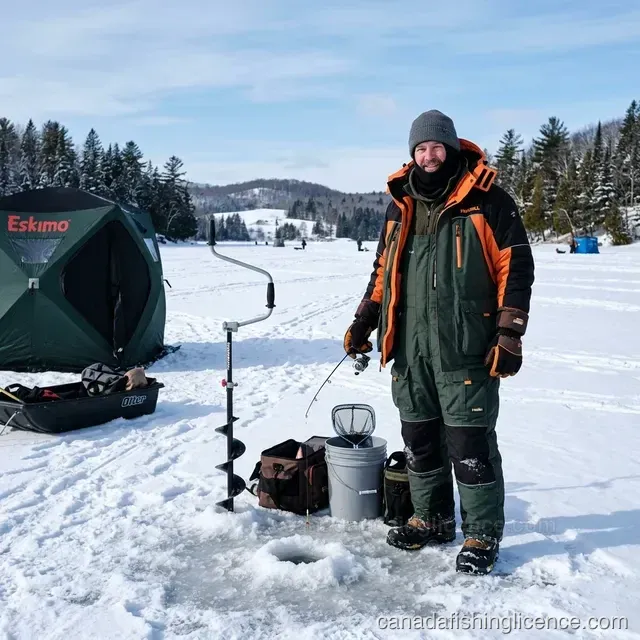
Dress For Wind Chill, Not For The Parking Lot
Canada’s extreme-cold guidance says to dress for the weather, including the wind chill. That is worth taking seriously on a frozen lake, where even a clear, sunny day can feel much colder once the wind is moving across open ice.
The most common mistake is dressing only for the temperature you see at the truck or cabin. Ice anglers often have less shelter, more wind exposure, and longer periods of stillness than people on an ordinary winter walk. The clothing plan should match those conditions rather than the mood of the morning.
If the forecast is borderline for comfort, treat exposed skin, wet clothing, and long periods of sitting as the things most likely to make the day harder, not the printed air temperature by itself.
A Simple Layer System Works Better Than Overthinking It
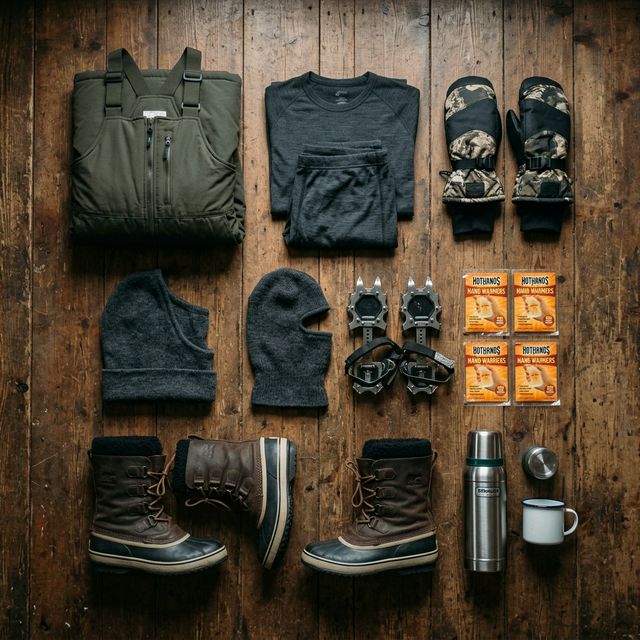
Health Canada and the Canadian Red Cross both point in the same direction: use insulating fabrics such as wool or synthetics, and build clothing in layers so you can adjust before you get sweaty or chilled.
What matters most is not buying a perfect technical system. It is avoiding a damp base layer and making sure the outer layer can handle wind and light moisture while still letting you move comfortably.
Avoid The “Too Warm While Walking, Too Cold While Fishing” Trap
Health Canada specifically says to remove layers if you get too warm before you start sweating. That advice fits ice fishing almost perfectly. Pulling a sled, drilling holes, and walking through snow can create enough heat that you feel warm even on a very cold day.
If you stay zipped up through all of that movement, the base layer can get damp. Then you stop moving, sit down, and start losing heat faster. The same clothes that felt fine while working suddenly feel cold because wet fabric and wind are now doing most of the work.
A better routine is to open up early, walk a little cooler than feels comfortable, and add warmth again once the holes are drilled or the shelter is set. This is a small habit, but it often makes a bigger difference than buying heavier clothing.
Boots And Socks Should Stay Warm Without Feeling Tight
The Canadian Red Cross advises people not to wear tight-fitting clothing or footwear that may impair circulation. That applies directly to winter boots and socks on the ice.
A warm boot usually works better when it has room for insulating socks and normal foot movement. If the boot feels tight once the thicker sock goes on, the setup can become less comfortable over a long day, especially once you stop walking and stand in one place.
For most anglers, the practical goal is simple: waterproof winter boots, warm socks, and one spare dry pair packed away. If your boots or socks get wet, change them as soon as you can instead of trying to push through the afternoon in damp footwear.
Hands, Head, Face, And Neck Need Their Own Plan
Health Canada says to wear warm socks, gloves, a hat, and a scarf in cold weather. The Red Cross adds that exposed areas such as fingers, cheeks, ears, and nose should be covered when possible.
That is why ice-fishing comfort usually improves when you stop treating gloves and hats as an afterthought. Light gloves may help with tying knots, but they are rarely enough for standing over an open hole in wind. Many anglers do better with a working pair for rigging and a warmer backup pair for the quiet parts of the day.
The same goes for your head and neck. A warm hat, a neck gaiter or scarf, and something to protect the face from wind can make the day feel completely different once the breeze picks up across open ice.
Inside A Heated Shelter, Dial Back Instead Of Sweating Through It
A heated shelter changes the clothing job, but it does not remove it. Once the shelter warms up, heavy outer layers can quickly become too much. If you stay overdressed, you can end up damp again just before stepping back outside.
The easiest approach is to keep the system modular. Use layers that can come off cleanly inside the shelter and go back on quickly when you head back into the wind. If you are spending the whole day in a heated setup, you still want the full outside system available for drilling holes, walking back to the truck, or dealing with a heater problem.
In other words, a heated hut changes how often you wear each layer, but it does not change the need to keep dry clothing and cold-weather gear close at hand.
Always Pack Dry Backups For The Long Day
The Canadian Red Cross recommends bringing additional warm clothing for extended periods outside or in case of emergency. For ice fishing, that advice is especially practical.
A small dry bag or waterproof tote with spare gloves, spare socks, and one dry insulating layer solves a surprising number of winter problems. It helps when the weather shifts, when someone gets a glove wet landing a fish, or when the first layering choice simply was not warm enough for the afternoon.
If you only change one part of your winter setup, make it that backup bag.
Clothing Helps, But It Does Not Replace Weather And Ice Checks
Good clothing makes winter fishing more manageable, but it does not solve everything. Canada’s cold-weather guidance says to pay attention to cold warnings, weather alerts, and the first signs of cold exposure. That matters on ice just as much as it does anywhere else.
If the forecast, wind, or ice conditions are moving in the wrong direction, the right answer is not always “add one more layer.” Sometimes the right answer is shortening the day, moving to shelter, or not going out at all.
A good clothing setup is still there to support a good decision, not to replace one.