| Province | Portal | What to check |
|---|---|---|
| British Columbia | GoFishBC Stocked Fish Tool | Recent stocking date, lake name, species, and quantity. |
| Alberta | Alberta fish stocking lists and ACA stocked lakes | Government stocking list, ACA pond list, and local bait restrictions. |
| Ontario | Fish ON-Line / MNRF Stocking Data | Stocking history, lake name, region, and FMZ. |
| Saskatchewan | Fish stocking record | Annual stocking records and current angling-guide notes. |
| Manitoba | Manitoba recreational fishing | Stocking reports and current angling guide links. |
Beginner-Friendly Urban Stocked Ponds
If you are new to fishing, a small stocked urban pond is often a better first trip than a long drive to a deep lake you do not know. These ponds can be a practical place to catch a first fish or take a child fishing without turning the day into a big expedition.
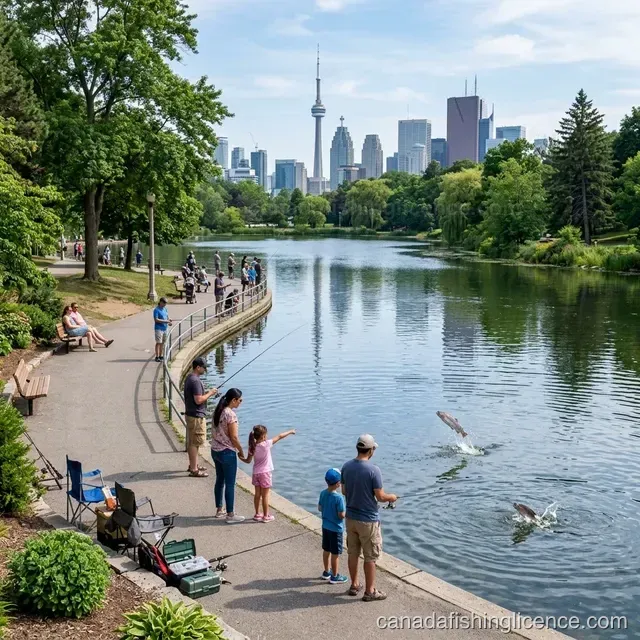
Provincial agencies across Canada run dedicated Urban Fishing Programs (often called "Fishing in the City"). These programs intentionally stock small, accessible park ponds with "catchable-size" rainbow and brook trout. The shorelines are often maintained, parking is close, and washrooms may be available.
For a first trip, the important details are simple: find the latest stocking report, check whether the pond has bait or youth rules, and choose a date soon after stocking once the fish have settled.
Stocked water does not remove the licence requirement. Before you go, make sure the licence you carry matches the province and check the local regulation for the exact pond.
Official Stocking Reports To Check First
These official portals are the starting point for stocking dates, fish species, and quantities for lakes near your city:
The Life Cycle of a Stocked Trout
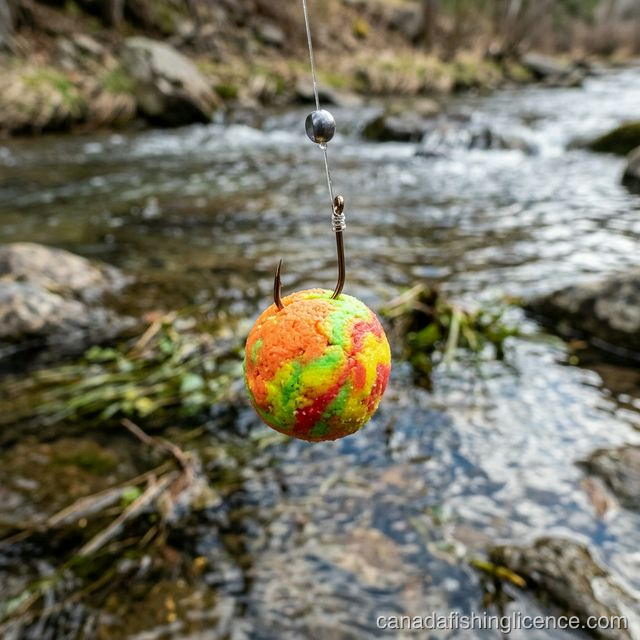
Stocked trout behave differently from wild trout because they were raised in hatchery conditions and moved into the pond by truck. That does not make them automatic catches, but it does make the first days after stocking worth planning around.
Hatchery trout are used to pellet feed and crowded raceways. Soon after stocking, small bright lures, floating dough bait, or simple bait presentations where legal can be easier for beginners than technical fly patterns.
For the first few days, keep the presentation simple. That is usually when stocked fish are least wary and easiest to tempt with bright baits or small lures.
Stocking note: Some provinces use sterile or hatchery-specific strains in selected waters to reduce genetic risk if stocked trout move into connected waterways.
British Columbia: The GoFishBC "Fishing in the City" Program
Organized by the Freshwater Fisheries Society of BC (GoFishBC), British Columbia has one of the larger urban stocking programs in Canada. In its 2025 review, GoFishBC said it released 4.94 million fish across the province. Treat that as a broad annual snapshot, then check the current stocking tool for a specific lake.
The program uses hatchery strains selected for stocking, including Fraser Valley rainbow trout. Check the current GoFishBC pages for the exact strain used at the lake you plan to fish.
In the Greater Vancouver Area, the "Fishing in the City" program focuses on beginner-friendly locations with accessible shorelines and transit access. Urban fisheries to check include:
• Lafarge Lake (Coquitlam): Surrounded by a paved walking path and located steps from SkyTrain. Regularly stocked with catchable rainbow trout, and one of the better-known beginner lakes in the region.
• Rice Lake (North Vancouver): A forested lake in Lynn Headwaters Regional Park. Reached via wheelchair-friendly pathways with a large, accessible fishing dock.
• Green Timbers Lake (Surrey): A sanctuary lake that prohibits power boats and wading, making it a quiet bank-fishing destination for families and seniors.
BC timing strategy: Due to summer heat, BC primarily stocks urban lakes in spring and fall. Check the GoFishBC Stocked Fish Tool before every trip.
BC rules note: BC requires barbless hooks in many stocked waters. Some stocked urban lakes have additional restrictions such as bait bans or youth-only hours, so check the specific lake rules on GoFishBC before you go.
Alberta: The ACA & Government Stocking Programs
Alberta runs two complementary stocking operations. The Government of Alberta stocks about 2.1 million trout into over 240 lakes, while the Alberta Conservation Association (ACA) manages a separate community stocking program.
The ACA's dedicated fish stocking project targets approximately 65 urban and community waterbodies with roughly 111,000 trout per year. These are put-and-take fisheries, so harvest can be part of the management plan where local limits allow it.
Sikome Lake note: Sikome Lake in Calgary is a treated, man-made public swimming beach operated by Alberta Parks. Do not plan a fishing trip there.
For ACA urban fishing, look to the current stocked-lake list and community waterbody page. Examples that often come up are Hermitage Park Pond, Mitford Pond, and Lacombe Park Pond.
Alberta bait rule: Alberta prohibits live bait fish and live crayfish, and individual waters can add stricter bait rules. Check the current Alberta regulations for the stocked pond you plan to fish before packing bait or lures, especially if you are visiting Alberta from the United States.
Ontario: MNRF Stocking & Urban Fishing Festivals
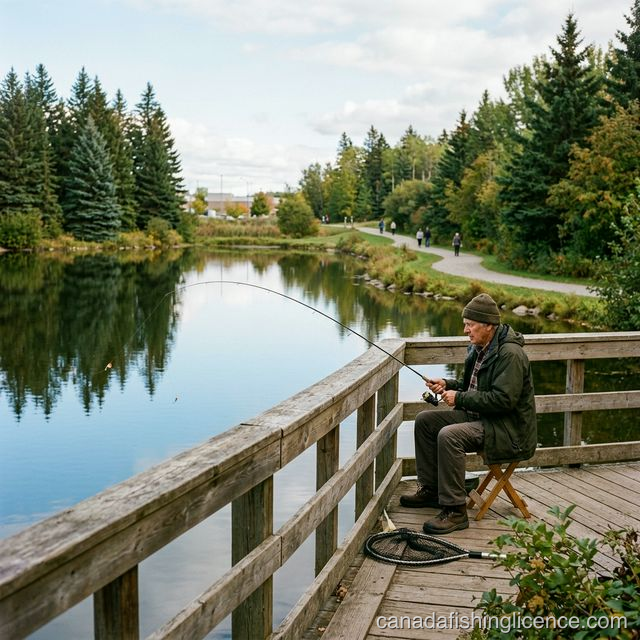
The Ministry of Natural Resources and Forestry (MNRF) runs a large stocking program. While it stocks millions of fish into major natural lakes for long-term conservation, it also supports urban fisheries in the Greater Toronto Area and other parts of the province.
Ontario also runs Learn to Fish events and seasonal family-fishing programs. For nearby urban waters, check the Fish ON-Line tool first, then look at the site page for current access and fee details.
GTA waters worth checking include Heart Lake Conservation Area, Professor's Lake, and other local urban ponds that show up in the stocking record.
Ontario rules note: Many urban ponds fall within a specific FMZ (Fisheries Management Zone). Check the FMZ-specific regulations for your lake. Ontario charges different rates for Conservation vs Sport licences, with lower catch limits on the Conservation licence. If you plan to keep fish from a stocked pond, the Sport licence may be worth the extra cost.
Fish ON-Line tool: Ontario's Fish ON-Line tool lets you search stocking data by lake name, region, and species for the past 10 years. Check it for stocking dates, species, and quantities before you go.
Saskatchewan, Manitoba, and Quebec
| Province | Stocked-water note | Rule to check |
|---|---|---|
| Saskatchewan | Urban and community lakes around Saskatoon and Regina can receive trout stockings. | For 2026-27, check the Fisheries Habitat Certificate along with the regular licence. |
| Manitoba | Several park ponds and small lakes around Winnipeg and Brandon are stocked. | Barbless hooks are required province-wide, including in stocked ponds. |
| Quebec | SÉPAQ parks and controlled-access waters can include stocked trout opportunities. | Access rules and permits vary by location. |
The First Two Weeks After Stocking
Finding the lake is only part of the plan. Timing matters too, so check the official provincial stocking reports below and note the first two weeks after a local pond is stocked.
Days 1-2 (Settling in): Right after stocking, give the fish a little time to settle before expecting steady bites.
Days 3-14 (Active Feeding): Once they adjust, trout may cruise the shallows looking for familiar pellet-like food. During this two-week period, bright dough baits and small flashing spinners can work well.
Days 15+: In heavily fished urban ponds, many catchable trout may already be harvested or harder to catch. Smaller flies, micro-jigs, or natural presentations where legal can work better than the bright first-week approach.
Simple planning note: Set up alerts on the GoFishBC or ACA stocking pages if you fish those systems. When your local pond is stocked, try to fish soon after the first day or two rather than choosing dates at random.
Gear and Rigging: A Simple PowerBait Bottom Rig
Because stocked trout were raised on floating pellets, a common urban setup is the PowerBait Bottom Rig (also known as a Carolina Rig or sliding sinker rig).
How to tie it (5 minutes, no experience needed):
- Thread a 1/4 oz (7 g) sliding egg sinker onto your main fishing line. A 4-6 lb test monofilament line is enough for many stocked-pond setups.
- Tie a small barrel swivel below the sliding sinker.
- Attach an 18-to-24-inch (45-60 cm) leader of light fluorocarbon to the swivel.
- Tie a small single hook, usually Size 8 or 10, to the end of the leader.
- Roll a blueberry-sized ball of floating PowerBait over the hook and bury the hook point inside the dough.
Why it works: You cast this rig out 15-25 metres and let it sink to the bottom. The heavy egg sinker anchors the line to the mud, but the buoyant PowerBait floats up about 18 inches, suspending near the eye level of cruising hatchery trout. When a trout bites, the line slides freely through the egg sinker, so the fish feels very little resistance until you set the hook.
Alternative: the single hook and worm rig. Where worms are legal, a size 8 hook with a half nightcrawler under a small slip float can be equally simple. Set the float depth to 1-2 feet off the bottom. Check Alberta and any local stocked-pond bait rule before choosing this setup.
Budget for a basic stocked-pond starter setup: Rod/reel combo: $30-$50. Line: $6. Hooks: $4. PowerBait: $7. Egg sinkers: $3. Swivels: $3. Total: under $55 CAD, enough for many simple first fishing trips with kids.
Live Bait Rules at Stocked Ponds
Bait regulations apply equally to stocked urban ponds and wild backcountry rivers. The fact that a pond is stocked does not override provincial bait laws:
• Alberta: Live bait fish and live crayfish are prohibited. Other bait choices still depend on the current zone and waterbody rule, so check the stocked pond before packing bait.
• Ontario: Live bait is legal in many FMZs, but never transport live bait between water bodies. Drain your bait bucket completely before leaving any site.
• Manitoba: Live bait legal, but barbless hooks mandatory province-wide. Crimp barbs on all hooks, including bait hooks.
• BC: Bait bans vary by water body and region. Some stocked urban lakes are bait-ban waters, so check the specific lake on GoFishBC.
• Saskatchewan: Live bait is legal in many waters. Check whether the Fisheries Habitat Certificate applies for the current season.
For detailed rules on bait transport and AIS prevention, see the catch and release guide and fishing regulations for beginners.
Ethics and Regulations for Urban Ponds
Urban fishing benefits from a respectful approach. These ponds are shared community resources, often in public parks used by joggers, dog walkers, and families.
Many provincial programs operate these as "Put-and-Take" fisheries. In those waters, harvest is part of the management design, but daily limits and local rules still apply.
Because these park ponds are visible and easy to access, check the regulations before you fish:
• Confirm whether the specific pond has "Youth Only" age restrictions (common in some municipal jurisdictions like Alberta's Kids Can Catch Pond)
• Check for specific gear bans (like barbless-only in BC, no live bait in Alberta)
• Look for mandatory catch-and-release orders (some stocked ponds switch to C&R at certain times of year)
• Dispose of line, hooks, and packaging properly
• Respect other park users by keeping noise down and leaving pathways clear
For families new to fishing, stocked urban ponds can be a gentle first trip. For more help getting started, see fishing with kids in Canada and the gear checklist.