How Does This Affect My Fishing?
For most recreational anglers, the practical answer is simple: follow the public licence, season, gear, and catch-limit rules for the water you fish. If you are still choosing the licence path, check the licence path guide. Indigenous rights and related fisheries operate through separate constitutional, treaty, and government processes.
Where it matters: do not assume a person is breaking a rule because you see a net, a different method, or fishing that does not match the recreational season. If you have a genuine concern, contact DFO or the local enforcement line instead of confronting people on the water. If you want to fish on or near reserve lands or a community-managed area, contact the First Nation office or local fisheries department before you go.
Why This Matters — The Big Picture
Indigenous peoples fished Canadian waters long before modern provincial licence systems existed. Today, Aboriginal and treaty rights are recognized and affirmed by Section 35 of the Constitution Act, 1982, and fishing rights have been considered in several Supreme Court of Canada decisions.
This overview is informational, not legal advice. For a specific water, dispute, treaty area, or enforcement question, check with DFO, Crown-Indigenous Relations and Northern Affairs Canada, the province, or the Indigenous government connected to that place.
The useful takeaway for a recreational angler is narrower than the legal history: follow the public rules that apply to you, understand that some Indigenous fisheries may be managed separately, and leave rights and enforcement questions to the proper authorities.
The Legal Framework
Section 35 of the Constitution Act, 1982 recognizes and affirms existing Aboriginal and treaty rights. The Constitution says the Aboriginal peoples of Canada include First Nations, Inuit, and Métis peoples.
Some rights come from treaties, some from Aboriginal rights recognized by courts, and some are implemented through agreements or communal licences. The exact scope can depend on the people, place, fishery, treaty history, and current management rules.
That is why this topic should not be reduced to a single Canada-wide rule. Recreational anglers should follow the public regulations that apply to them and use official channels when a local rights or access question affects a trip.
Landmark Court Decisions You Should Know
R v Sparrow (1990): The Supreme Court of Canada recognized an Aboriginal right to fish for food, social, and ceremonial purposes and described how government limits on Aboriginal rights must be justified. DFO also describes conservation as the first priority, followed by Indigenous FSC access.
R v Marshall (1999): The Supreme Court of Canada confirmed treaty rights connected to the Peace and Friendship Treaties in Atlantic Canada. The decision is often discussed with the phrase "moderate livelihood," especially around lobster, eel, and other Atlantic fisheries.
Recent litigation: Aboriginal and treaty fishing-rights questions still move through courts, negotiations, and fishery-management processes. For a current local dispute, do not rely on a national summary. Check the specific court decision, DFO notice, treaty organization, Indigenous government, or provincial notice for that place.
Food, Social, and Ceremonial (FSC) Fishery
DFO describes food, social, and ceremonial fishing as a collective right protected under Section 35. FSC licences are issued to an Indigenous Nation, which may then designate harvesters under that communal licence.
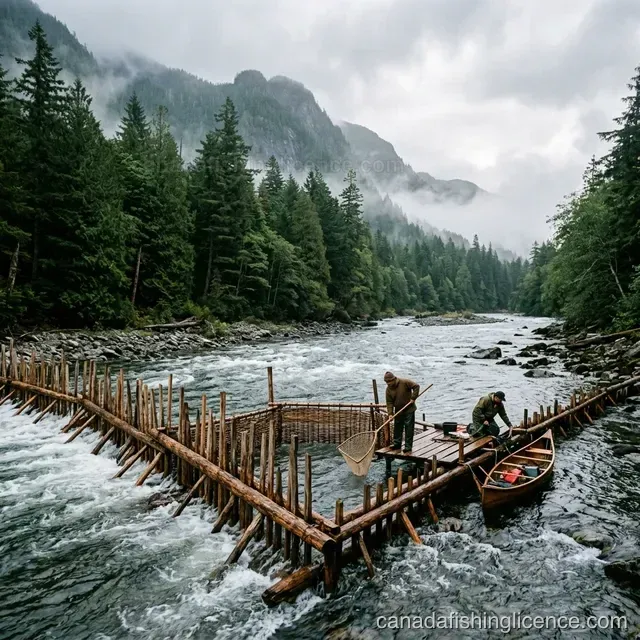
FSC fishing can happen at times or in places that do not line up with recreational seasons. Conditions can also differ from recreational angling rules. If you see a method such as a net, weir, or fish wheel, do not interfere or make an on-the-water judgment about authorization.
DFO says FSC fishing does not provide an opportunity for sale of catch. DFO also describes the priority after conservation as Indigenous FSC access before recreational and commercial harvest. Actual openings, closures, gear conditions, and allocations are handled through fishery-management processes.
How This Affects Your Fishing in Practice
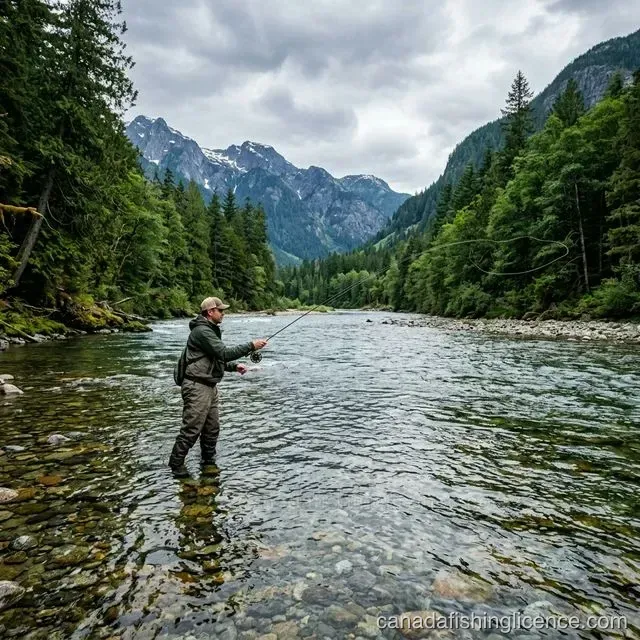
On many recreational trips, the effect is indirect. Your job is still to carry the right licence, follow the open season, stay within the catch limit, and respect gear and access rules.
Where you may notice it most: Pacific salmon in B.C. and Atlantic salmon or other managed fisheries in Atlantic Canada. Conservation concerns, FSC access, treaty rights, and commercial or recreational pressure can all affect openings and limits, sometimes with short notice.
In Atlantic Canada, the Marshall decisions are part of the background for moderate livelihood fisheries. That does not give a recreational angler a new permission or a new enforcement role. If something looks unusual, contact DFO or a conservation officer, not the individuals.
Fishing on or Near Indigenous Territories
Some communities manage access, permits, or fishing activity on reserve lands, settlement lands, treaty lands, or community-managed areas. Contact the local First Nation office, Indigenous government, or fisheries department before arriving if access is not clearly public.
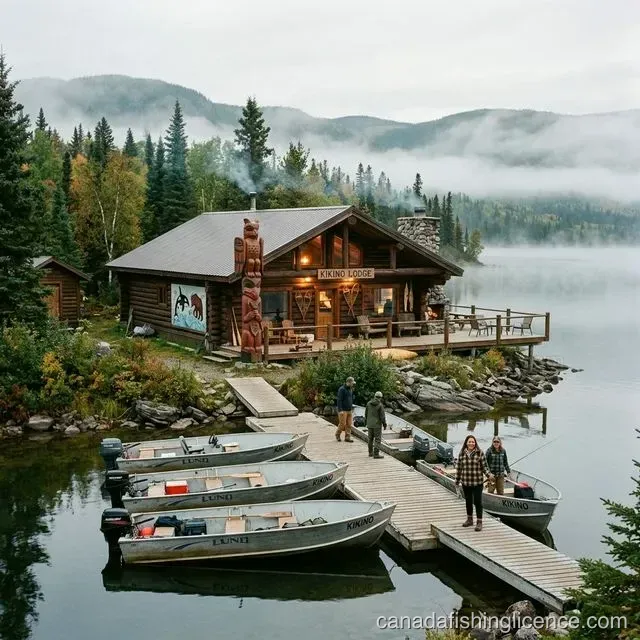
Some Indigenous-owned lodges, guides, and outfitters welcome visitors and explain the local fishing rules as part of the trip. The Indigenous-operated fishing lodges guide is useful when you want a hosted trip rather than guessing about access.
Other places restrict access or require permission. Respect posted boundaries, seasonal closures, community rules, and private arrangements. When in doubt, ask before you fish.
Being a Respectful Angler
Respect closures and restrictions: Recreational closures can reflect conservation needs, FSC access, treaty obligations, or several factors at once. Treat the posted recreational rule as the rule that applies to you.
Do not confront: If you see gear or timing that looks different from recreational angling, report genuine safety or conservation concerns to DFO or the local enforcement line. Do not approach people on the water to challenge their authority to fish.
Support Indigenous tourism when it fits your trip: Indigenous-owned lodges and guides can offer local knowledge and clear access arrangements. Learning whose territory you are visiting is also a basic part of fishing respectfully.